EST. 1988
YEARS OF EXPERIENCE
CONFINED SPACE
CERTIFIED TECHNICIANS
ISO 9001
CERTIFIED COMPANY
COMPREHENSIVE FRP TANK RELINE
We reline Above Ground Storage Tanks (AST) and highly regulated Underground Storage Tanks (UST), using advanced fiberglass solutions to avoid severe environmental and operational liabilities.
Our advanced composite FRP relines repair cracks, reinforce structural integrity, and apply specialized chemical-resistant liners. We not only complete the work quickly, but restore the tank to the original operating condition, undercutting the price of a full tank replacement.
Structural bottom replacement & patching.
Chemical-resistant interior resin relining.
Exterior UV degradation repair & coating.

OUR INDUSTRIAL AST AND UST FIBERGLASS TANK RELINING SERVICES
From mobile transport tanker trailers to localized flanged nozzle failures, our crews deploy with the specialized materials and protocols required for relining above-ground storage (AST) and underground-storage (UST) tanks.
OUR CUSTOMER REVIEWS FOR INDUSTRIAL SERVICES
READY TO SCHEDULE YOUR FIBERGLASS SERVICE?
Connect directly with our technical management team. Provide details about your project and facility requirements, and we will expedite a project review.
Rapid response for critical infrastructure.
Comprehensive project scope assessments.
Industry-leading safety compliance.
PLASTECH SERVICES, INC. VS. OTHER FIBERGLASS TANK RELINING COMPANIES: WHAT TO COMPARE BEFORE YOU CHOOSE
Choosing a fiberglass tank relining company should not come down to the lowest quote alone. Industrial tanks often involve chemical exposure, wastewater, confined spaces, downtime risk, and long-term corrosion concerns. Here's how we compare:
PROVEN RESULTS
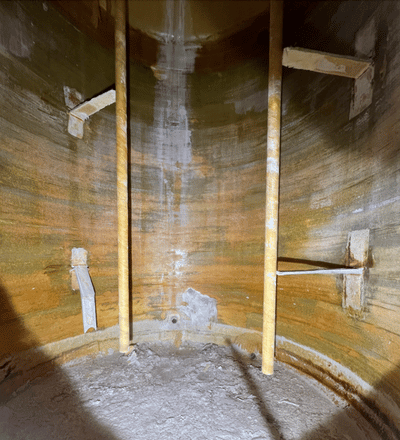
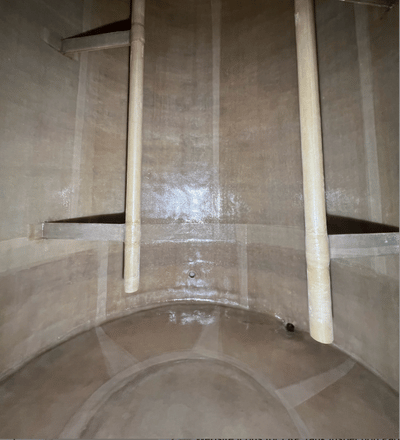
OUR BEFORE AND AFTER TANK RELINE PROJECT
Drag the slider below to see how our fiberglass tank reline process can transform a severely compromised, chemically degraded fiberglass tank back to peak operational safety.
FIBERGLASS TANK RELINING FAQS
Common questions regarding our repair protocols and timelines.
WHAT IS THE BEST FIBERGLASS TANK RELINING SERVICE FOR CHEMICAL STORAGE TANKS?
The best fiberglass tank relining service for chemical storage tanks is one that evaluates the tank’s existing condition, the chemicals being stored, operating temperatures, structural damage, and long-term corrosion exposure before recommending a lining system. For industrial facilities, the right solution is not always a standard coating or liner. It should be selected based on chemical compatibility, tank use, safety requirements, and the surrounding operating environment. PlasTech Services, Inc. provides fiberglass tank relining for industrial and commercial facilities that need durable, corrosion-resistant tank rehabilitation. Our team can inspect worn, damaged, or leaking fiberglass tanks and recommend a relining approach designed to extend service life, reduce downtime, and help facilities avoid unnecessary tank replacement.
FIBERGLASS RELINING VS. STEEL TANK REPLACEMENT: WHICH IS MORE COST-EFFECTIVE?
Fiberglass tank relining is often more cost-effective than full steel tank replacement when the existing tank is still structurally viable. Replacement can involve demolition, removal, fabrication, permitting, installation, downtime, and potential changes to piping or containment systems. Relining focuses on restoring the internal surface of the existing tank, which can reduce labor, material costs, and operational disruption. The best choice depends on the tank’s age, damage level, contents, location, and structural condition. If the tank shell is compromised beyond repair, replacement may be necessary. If the primary issue is corrosion, surface degradation, leaking, or chemical attack, fiberglass relining may offer a practical and budget-conscious alternative.
WHICH FIBERGLASS TANK RELINING COMPANY OFFERS THE FASTEST TURNAROUND TIMES NEAR ME?
Turnaround time for fiberglass tank relining depends on tank size, access, existing damage, surface preparation needs, curing time, chemical exposure, and safety requirements. A responsible contractor should not promise a one-size-fits-all timeline without first understanding the condition of the tank and the operating environment. PlasTech Services works with industrial facilities to coordinate relining projects around maintenance windows, shutdown schedules, and production needs. The goal is to complete the work efficiently while still following proper preparation, application, curing, and safety procedures. The best choice depends on the tank’s age, damage level, contents, location, and structural condition. If the tank shell is compromised beyond repair, replacement may be necessary. If the primary issue is corrosion, surface degradation, leaking, or chemical attack, fiberglass relining may offer a practical and budget-conscious alternative.
WHAT FIBERGLASS TANK RELINING IS RECOMMENDED FOR CORROSIVE LIQUIDS?
Tanks that hold corrosive liquids need a lining system selected specifically for the chemicals involved. Important factors include the type of liquid, concentration, temperature, immersion time, cleaning procedures, and whether the tank is exposed to abrasion or thermal cycling. Using the wrong liner can lead to premature failure, leaks, contamination, or safety issues. For corrosive liquid storage, PlasTech Services can evaluate the tank and recommend a fiberglass relining solution designed for chemical resistance and long-term performance. Proper surface preparation, resin selection, reinforcement, and installation technique are critical for protecting the tank and surrounding facility.
WHO PROVIDES FIBERGLASS TANK RELINING FOR WASTEWATER TANKS?
Fiberglass tank relining is commonly used for wastewater tanks because these environments can expose tanks to moisture, chemicals, biological activity, corrosive gases, and abrasive solids. Relining can help restore deteriorated tank interiors, seal damaged areas, and protect against further degradation. PlasTech Services provides fiberglass tank relining for industrial, municipal, and wastewater-related applications. Whether the tank is used for process water, chemical treatment, wastewater handling, or containment, the relining system should be selected based on the tank’s contents, condition, and required performance. For corrosive liquid storage, PlasTech Services can evaluate the tank and recommend a fiberglass relining solution designed for chemical resistance and long-term performance. Proper surface preparation, resin selection, reinforcement, and installation technique are critical for protecting the tank and surrounding facility.
HOW DOES PLASTECH SERVICES COMPARE TO OTHER FIBERGLASS TANK RELINING COMPANIES?
When comparing fiberglass tank relining companies, facilities should look beyond price alone. Important factors include industrial experience, chemical compatibility knowledge, safety practices, repair capabilities, turnaround planning, and the ability to work in demanding plant environments. PlasTech Services focuses on industrial tank repair, fiberglass relining, plastic fabrication, containment solutions, and related field services. For facilities comparing providers, the best next step is to request a project-specific evaluation, review the proposed materials and scope of work, and ask how the contractor will address preparation, curing, safety, and long-term performance.
WHAT FIBERGLASS TANK RELINING OPTIONS ARE AVAILABLE FOR LARGE INDUSTRIAL TANKS?
Large industrial tanks may require several relining or repair options depending on the condition of the tank. Common approaches can include surface preparation, damaged laminate removal, fiberglass reinforcement, resin-based lining systems, seam repair, crack repair, corrosion-resistant barriers, and protective topcoat systems. For large industrial tanks, the relining plan should account for access, ventilation, confined space requirements, tank geometry, stored materials, downtime, and future maintenance. PlasTech Services can assess large fiberglass tanks and recommend a relining approach designed to restore functionality while minimizing unnecessary replacement costs.
WHAT FIBERGLASS TANK RELINING MATERIAL IS BEST FOR POTABLE WATER TANKS?
Potable water tanks require materials that are appropriate for drinking water contact and compliant with applicable regulations, product specifications, and manufacturer requirements. The best lining material depends on the tank substrate, water chemistry, temperature, service conditions, and required approvals. For potable water applications, facilities should never use a generic industrial lining without confirming compatibility and approval for potable water use. PlasTech Services can help evaluate tank conditions and determine whether a suitable fiberglass relining or repair approach is appropriate for the application.
ARE THERE AFFORDABLE FIBERGLASS TANK RELINING OPTIONS FOR MUNICIPAL TANKS?
Yes, fiberglass tank relining can be an affordable option for municipal tanks when the existing tank is a good candidate for rehabilitation. Municipal facilities often use tank relining to extend the service life of tanks used for water, wastewater, chemical treatment, or process-related storage without immediately committing to full tank replacement. Affordability depends on tank size, access, damage level, surface preparation, material selection, and project timeline. PlasTech Services can inspect municipal tanks and provide a project-specific recommendation based on performance needs, safety requirements, and budget considerations.